 Simplified Chinese


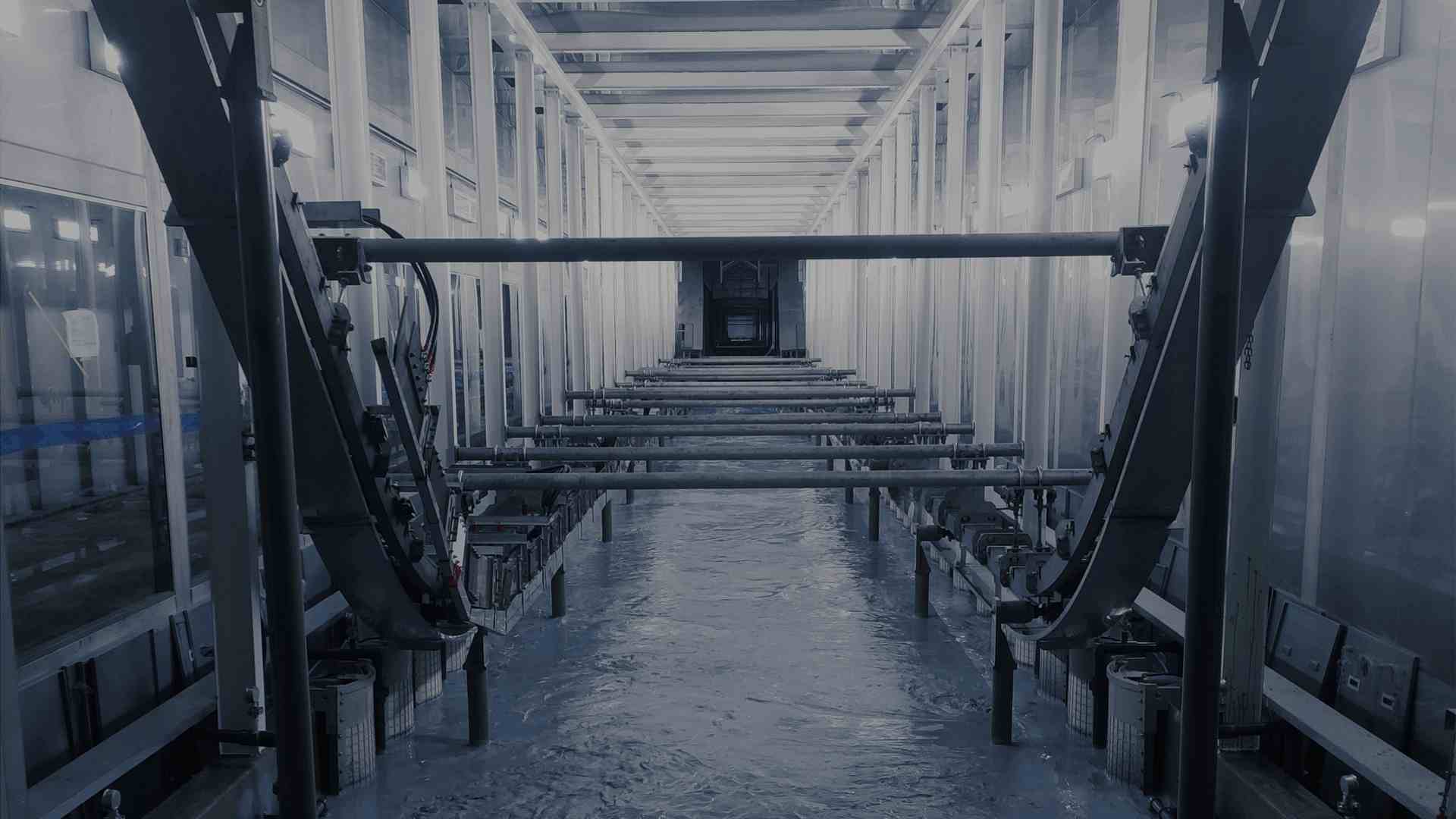
Electrophoresis coating


Hydrogen production by water electrolysis


Electric flocculation and water treatment


Vacuum coating film


Heating of semiconductor


Electroplating


Electrolytic metal metal


Electrolytic gas


Smelting of rare earth


Ionic membrane caustic soda


Graphite heating


PCB(Printed circuit board)


Electrophoresis coating
Single machine up to 100 MW, 30% energy saving
Application Scenarios
Product Display
Application Cases
Product Information Download
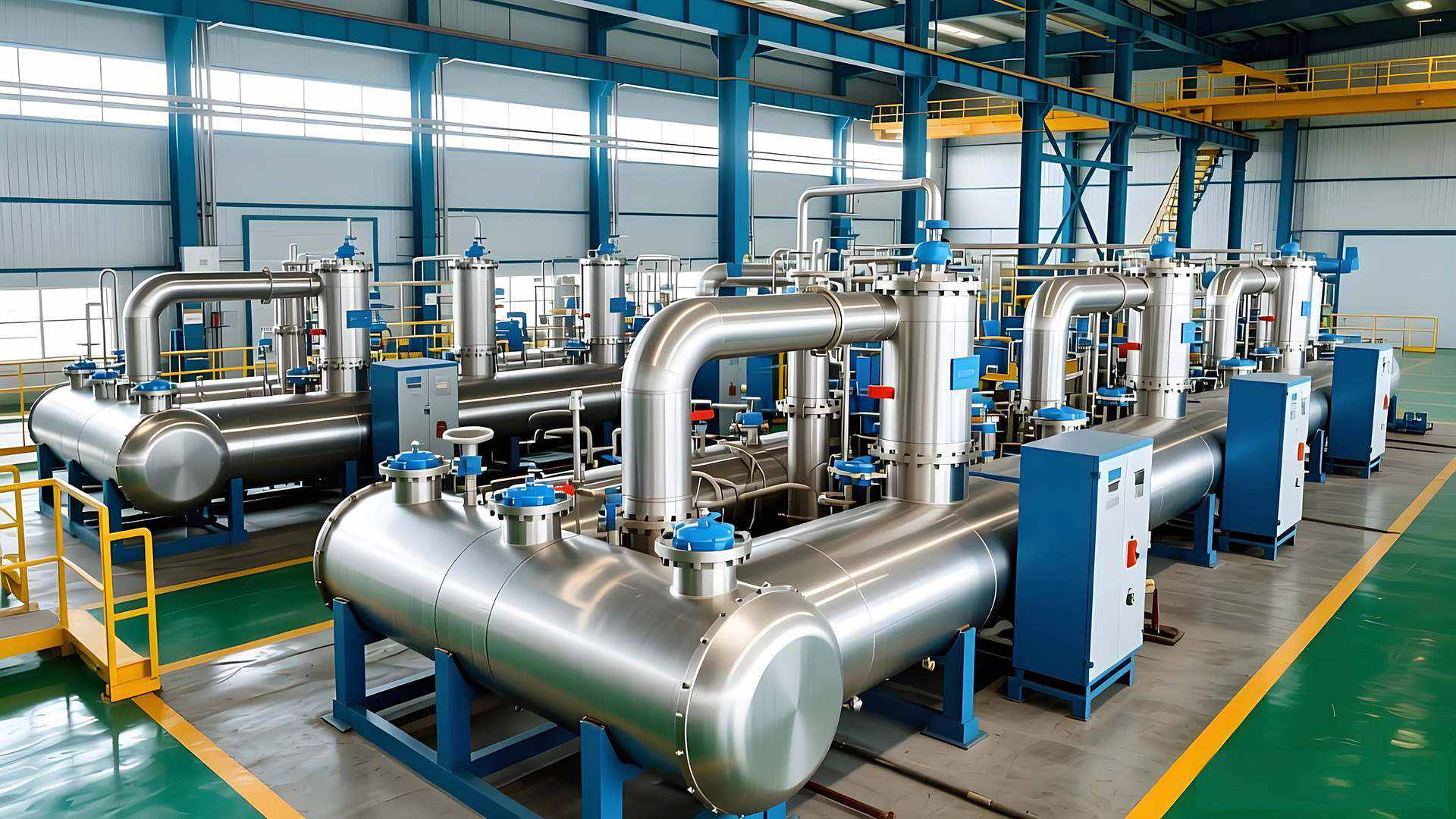
Hydrogen production by water electrolysis
A single unit can reach 100 megawatts, saving 30% in energy.
Application Scenarios
Product Display
Application Cases
Product Information Download
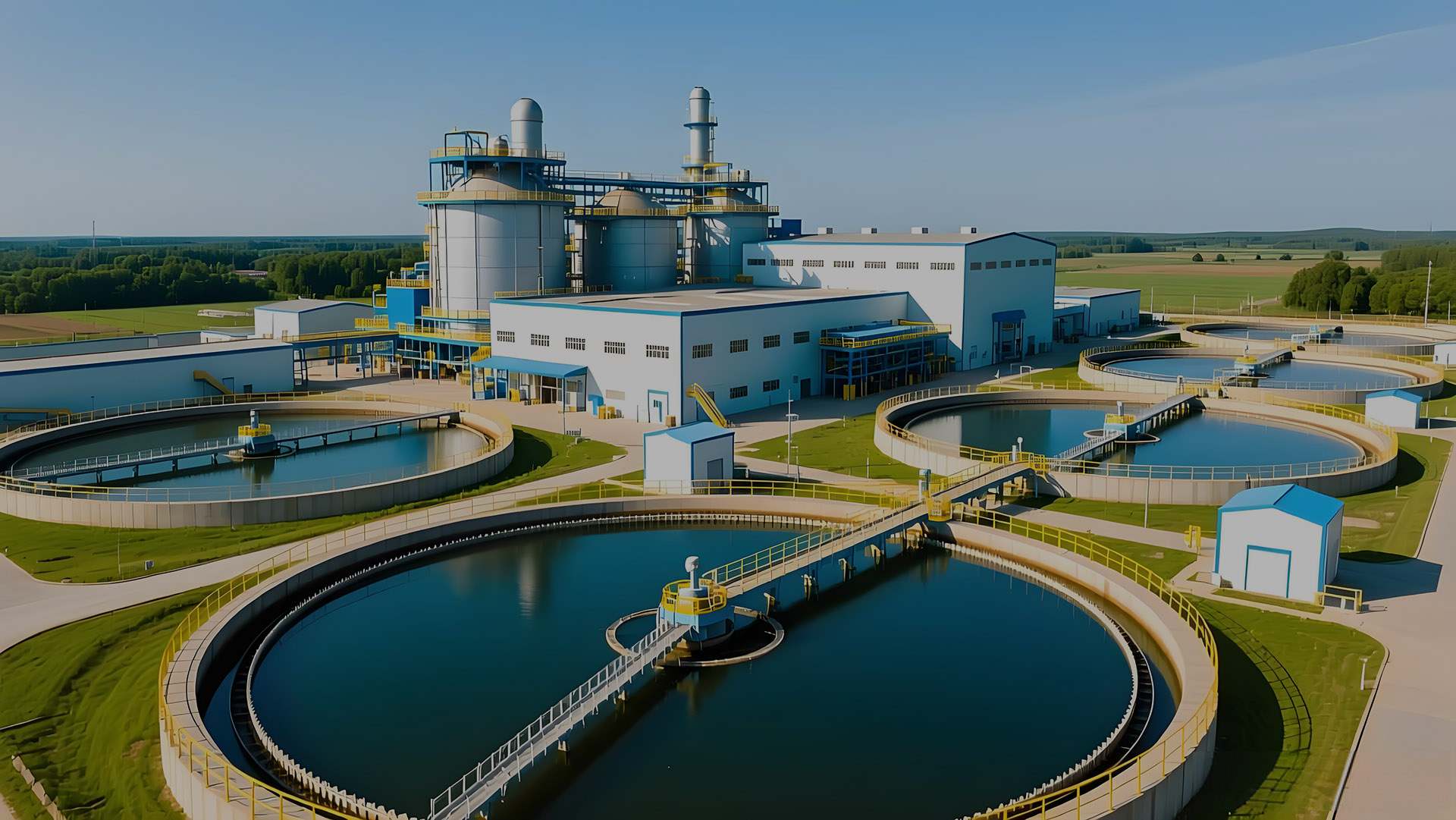
Electric flocculation and water treatment
Single machine up to 100 MW, 30% energy saving
Application Scenarios
Product Display
Application Cases
Product Information Download
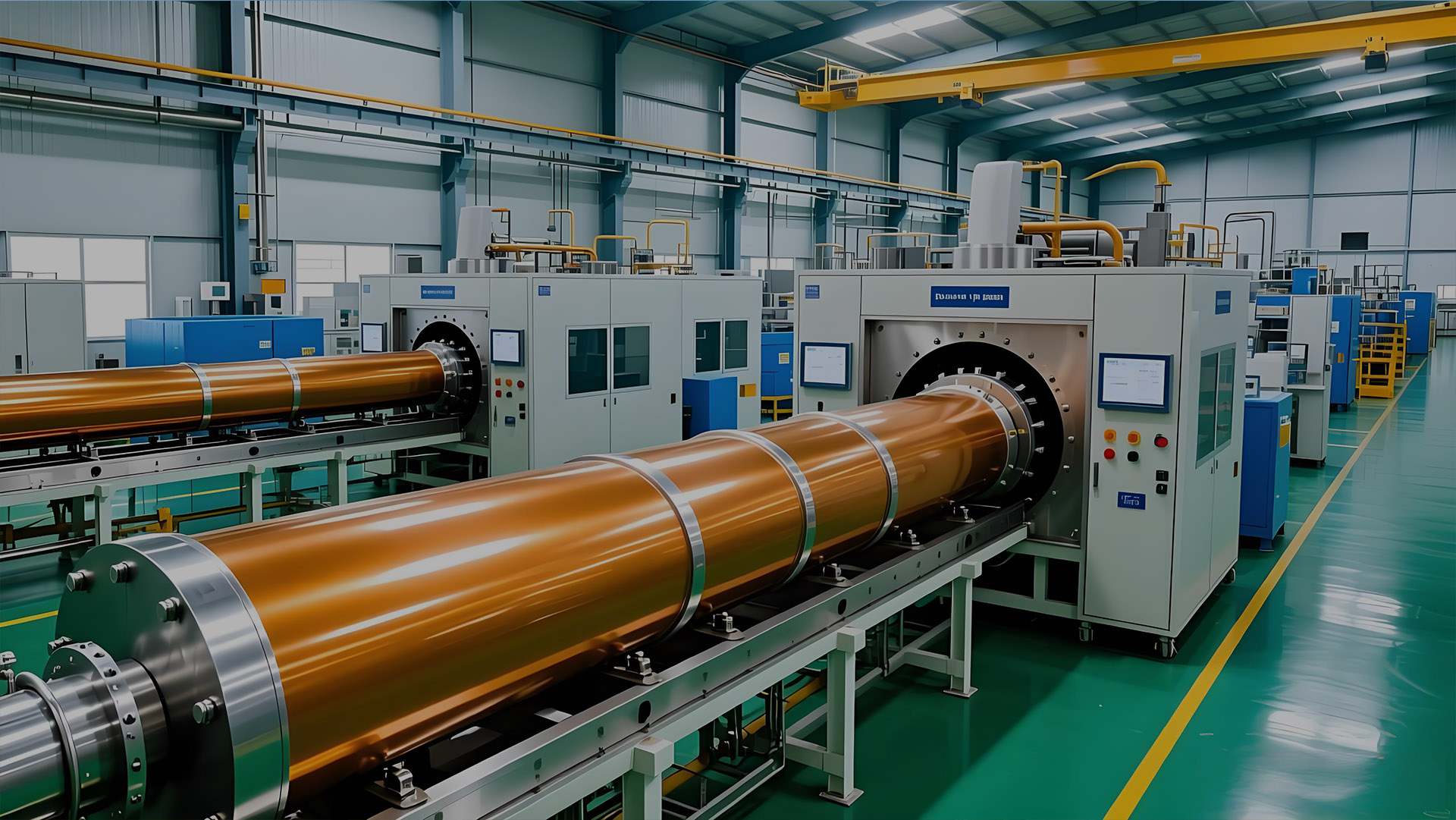
Vacuum coating film
Single machine up to 100 MW, 30% energy saving
Application Scenarios
Application Cases
Product Information Download
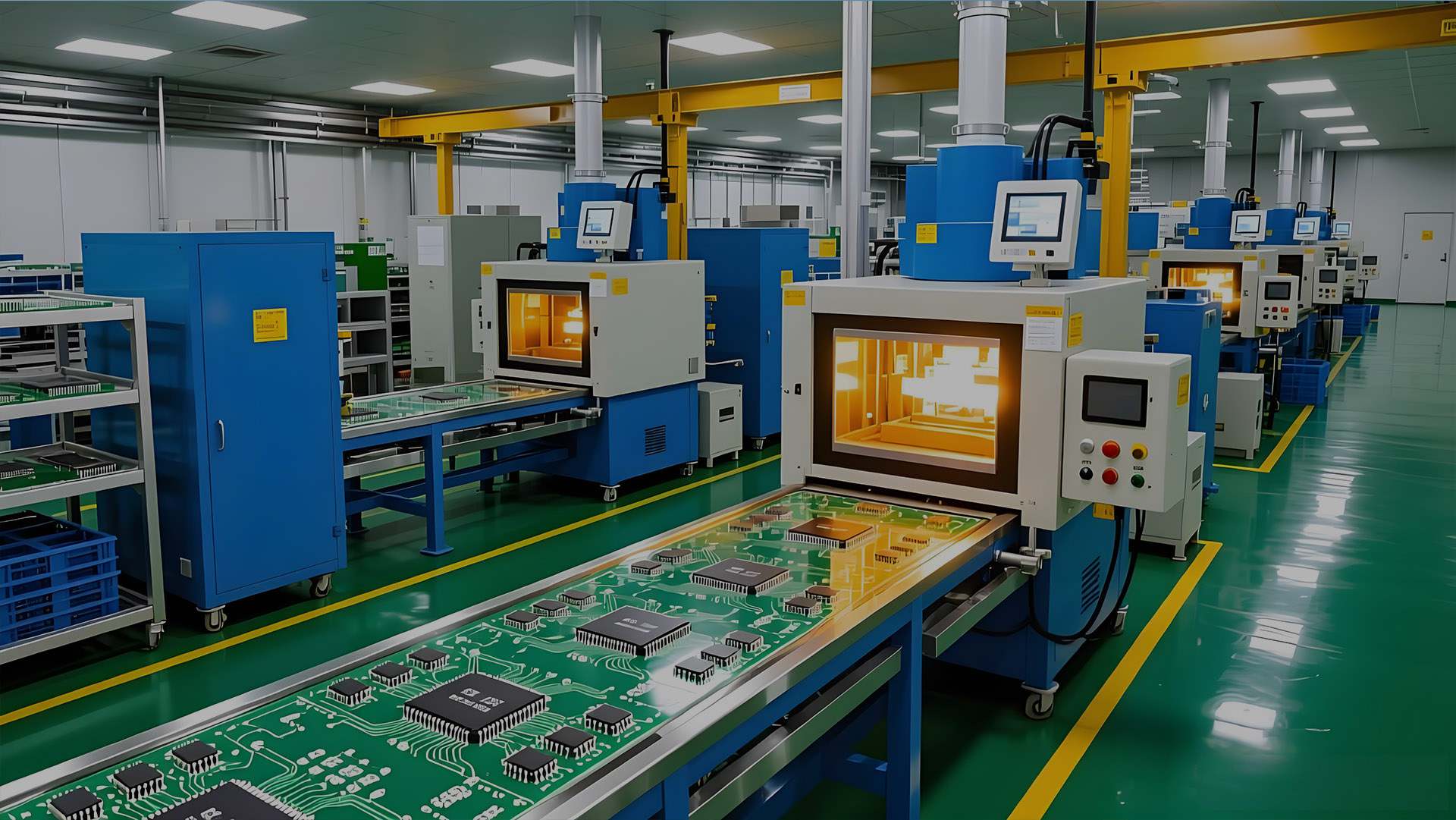
Heating of semiconductor
Single machine up to 100 MW, 30% energy saving
Application Scenarios
Product Display
Application Cases
Product Information Download
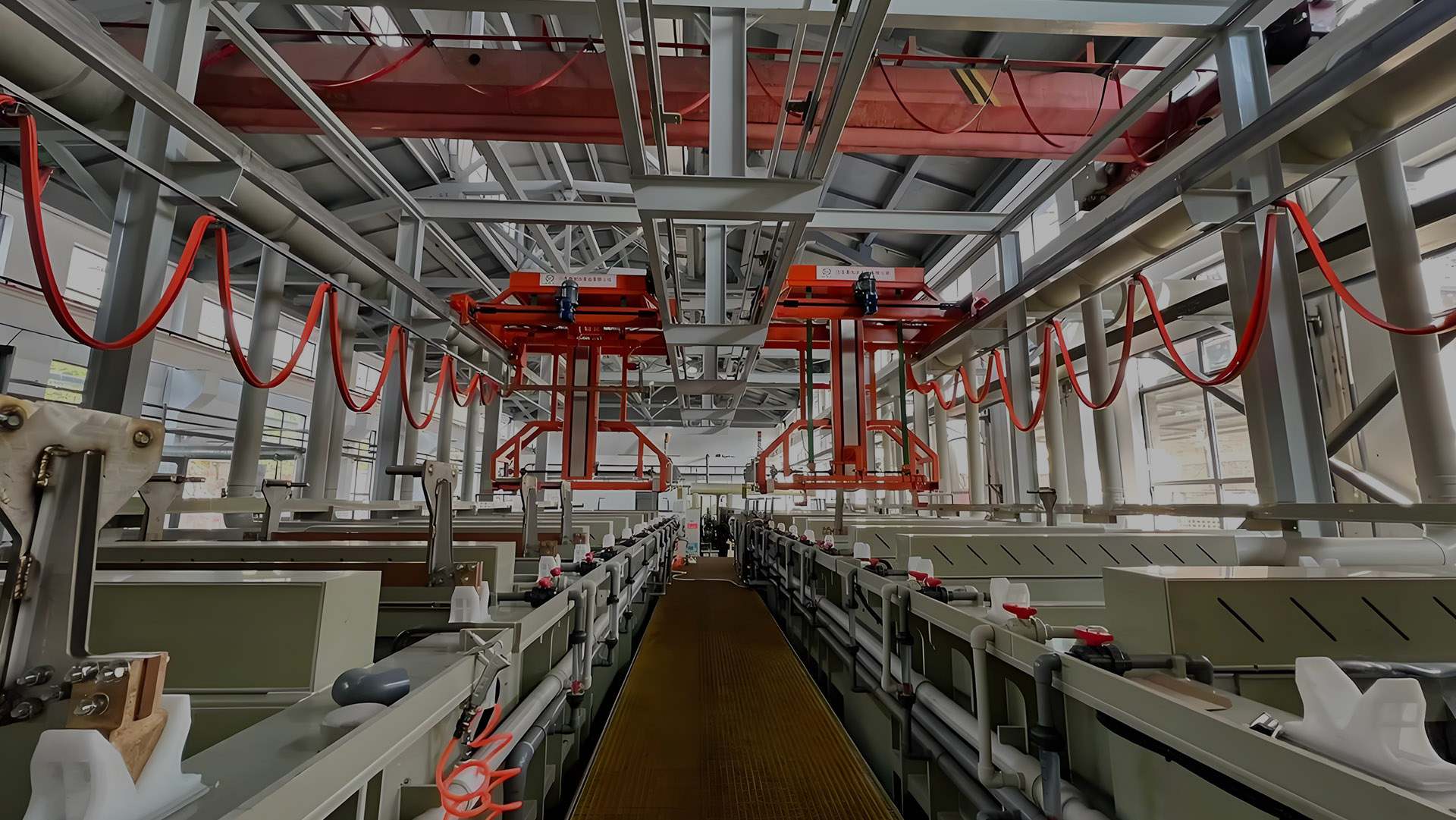
Electroplating
Single machine up to 100 MW, 30% energy saving
Application Scenarios
Product Display
Application Cases
Product Information Download
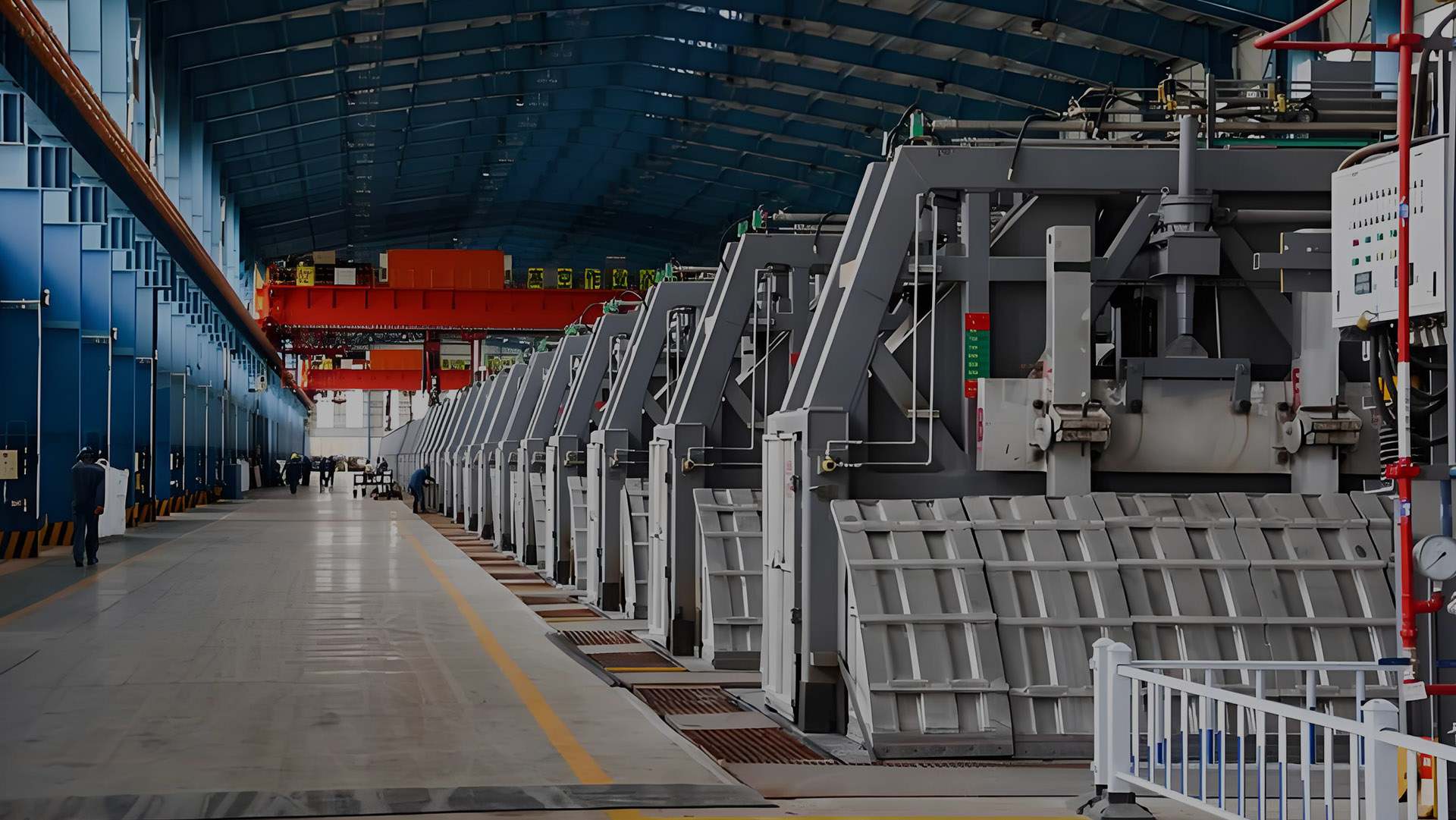
Electrolytic metal metal
Single machine up to 100 MW, 30% energy saving
Application Scenarios
Product Display
Application Cases
Product Information Download
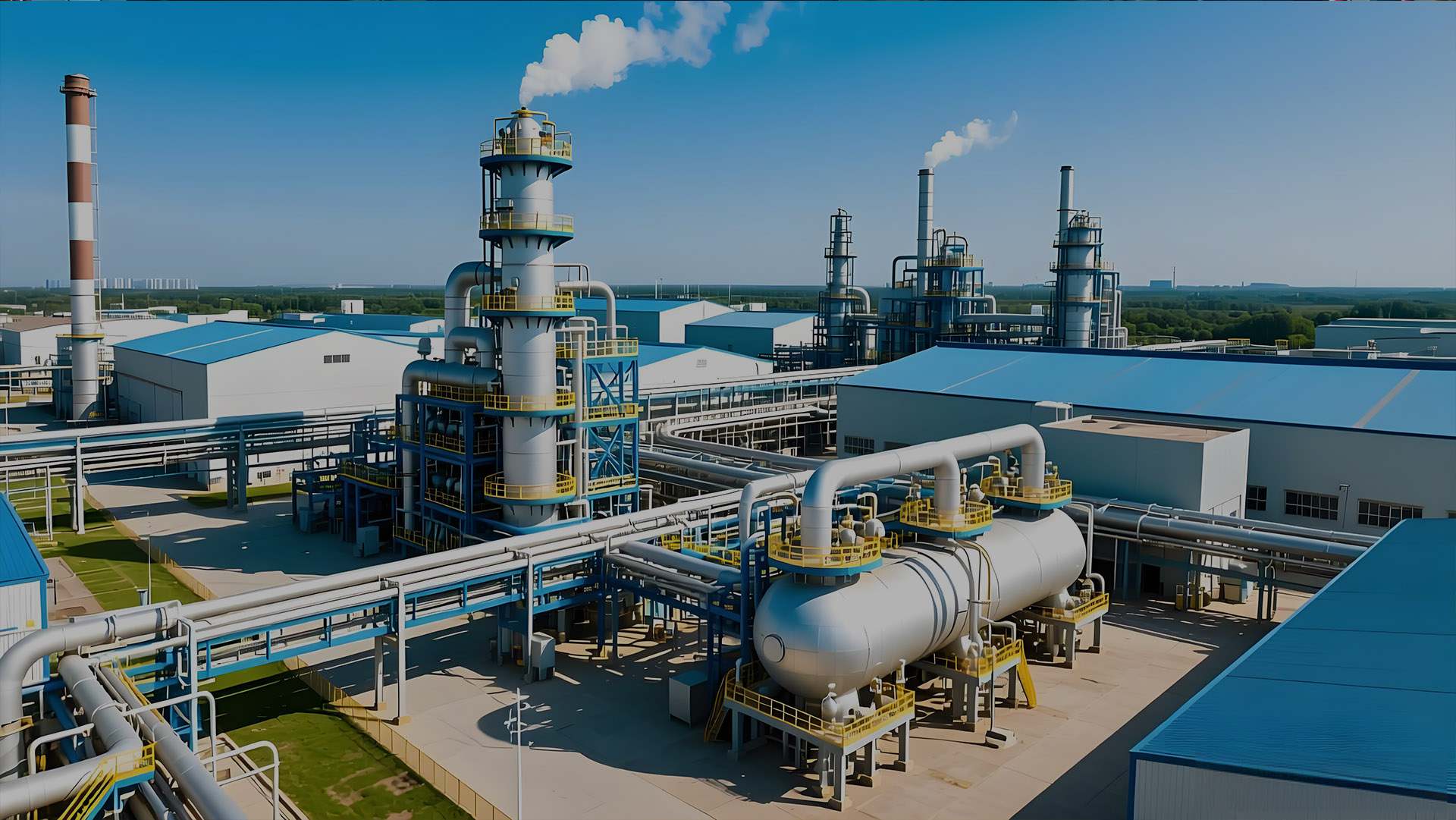
Electrolytic gas
Single machine up to 100 MW, 30% energy saving
Application Scenarios
Product Display
Application Cases
Product Information Download
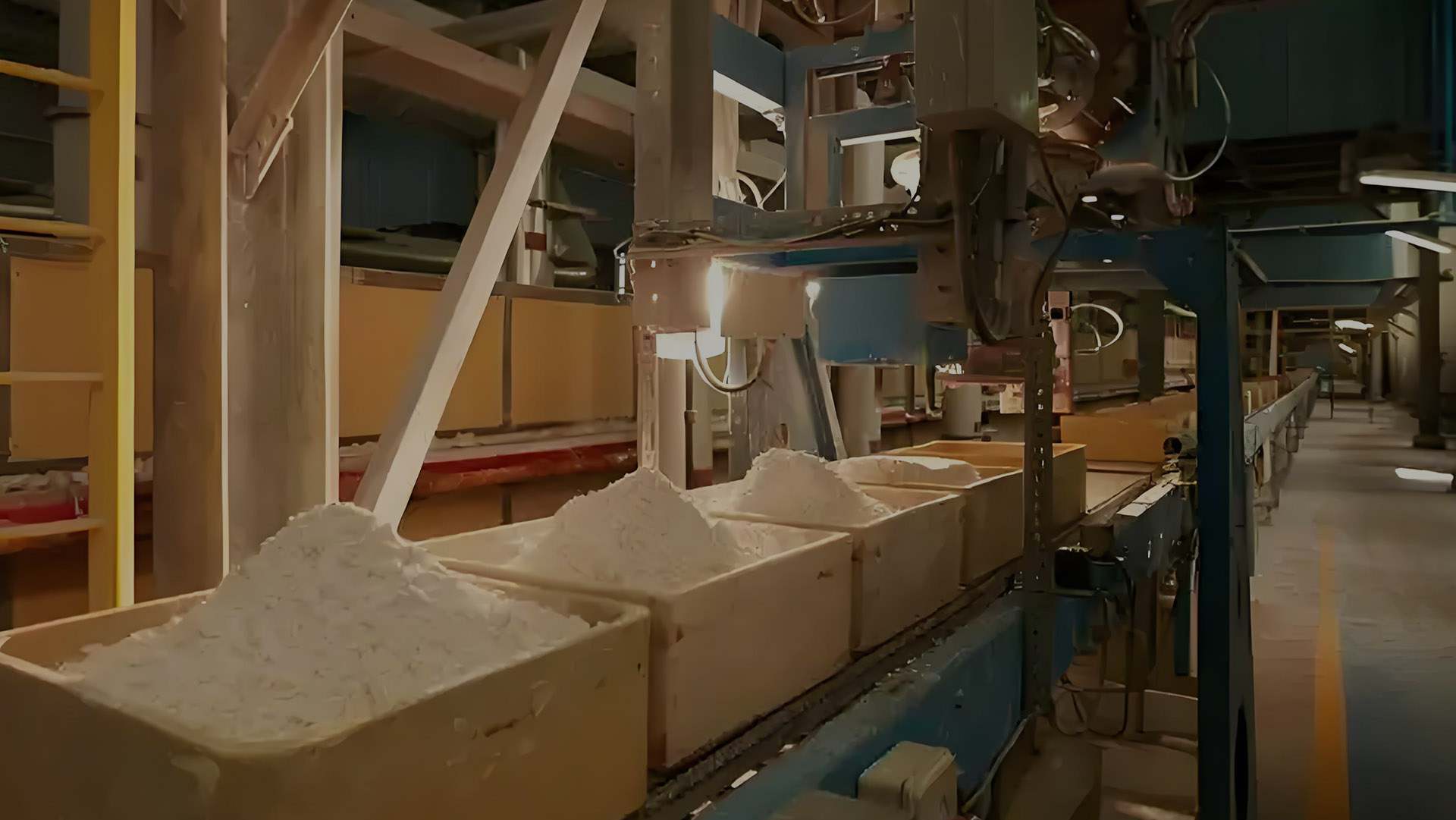
Smelting of rare earth
Single machine up to 100 MW, 30% energy saving
Application Scenarios
Product Display
Application Cases
Product Information Download
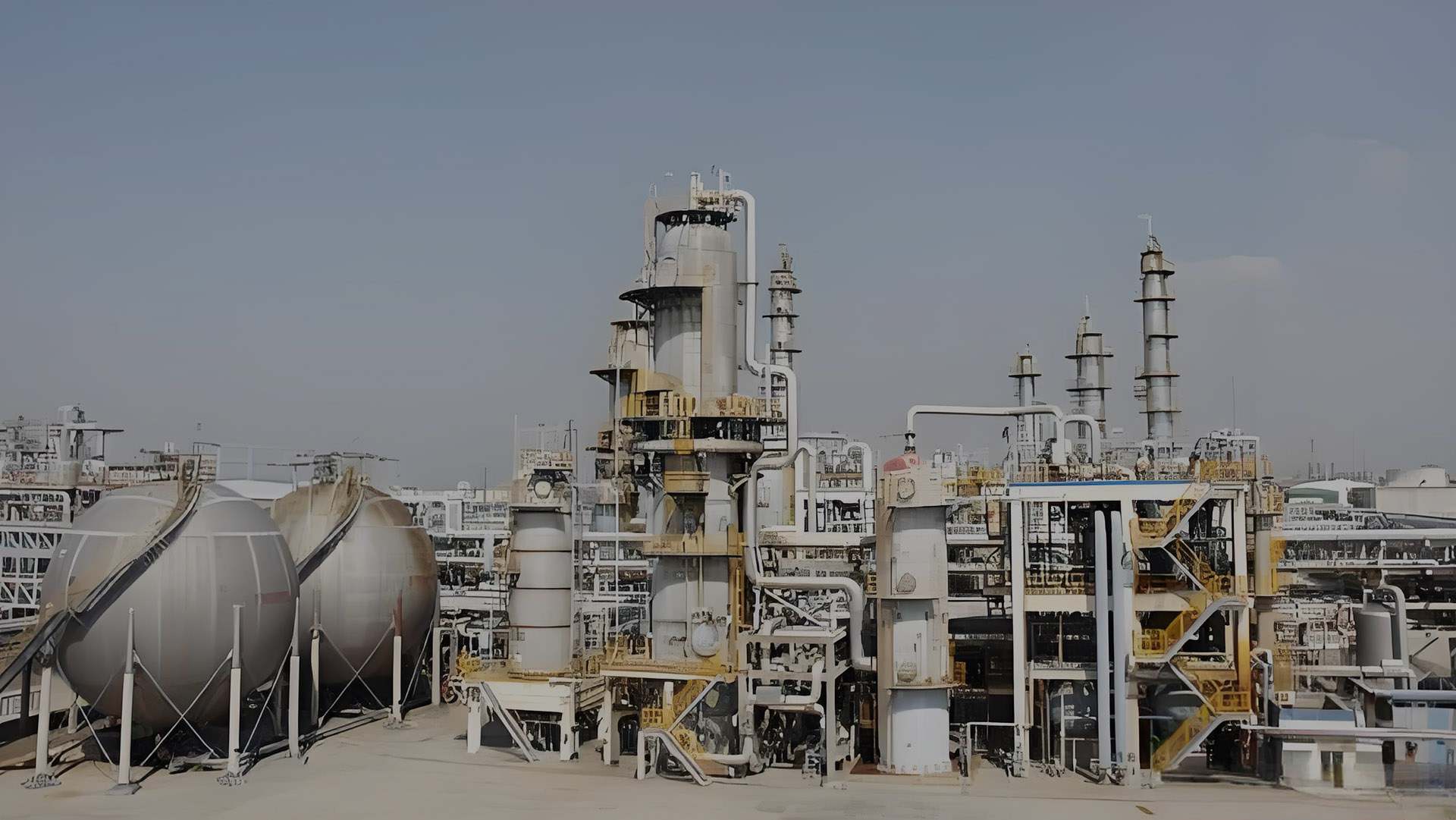
Ionic membrane caustic soda
Single machine up to 100 MW, 30% energy saving
Application Scenarios
Application Cases
Product Information Download
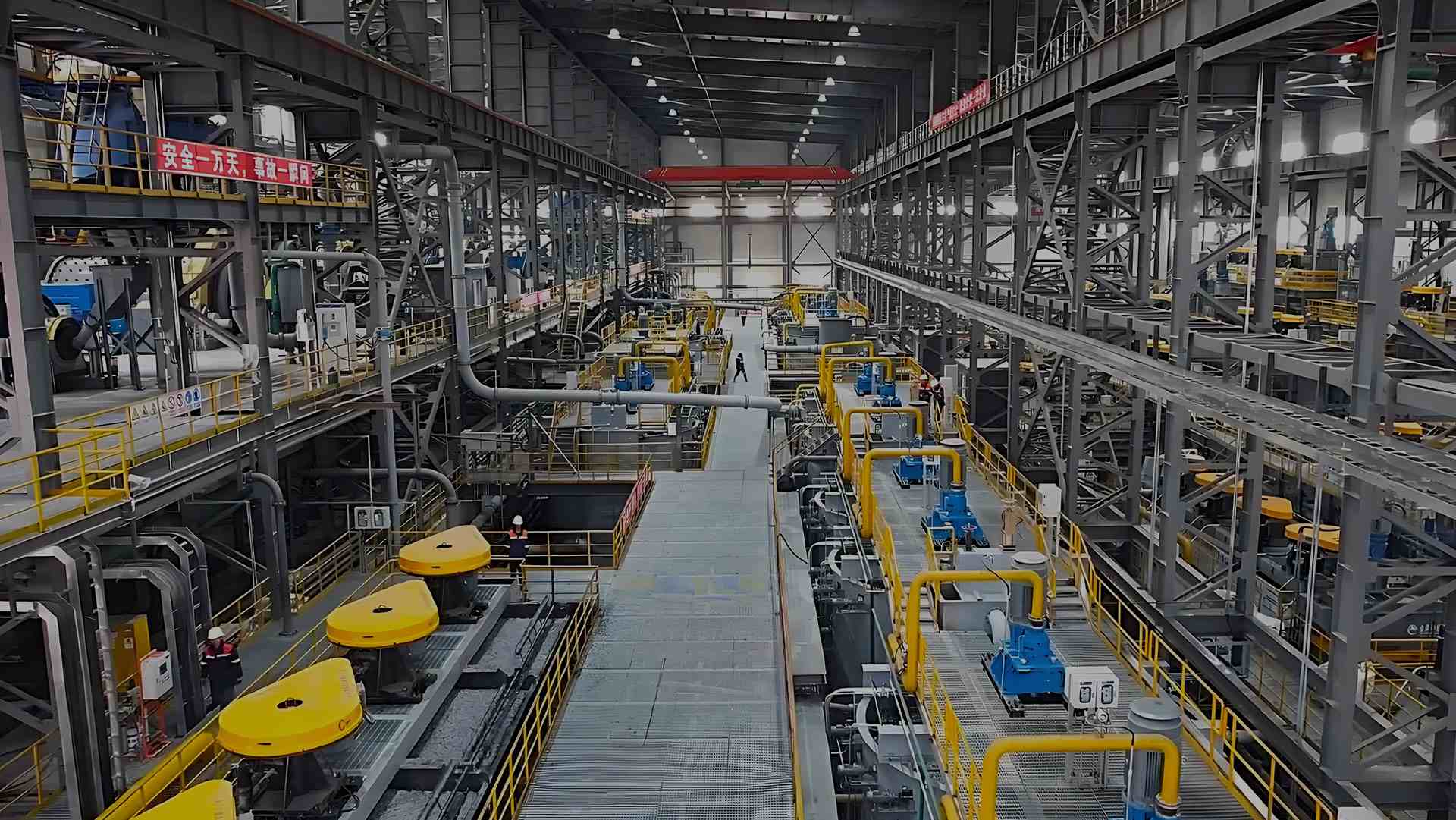
Graphite heating
Single machine up to 100 MW, 30% energy saving
Application Scenarios
Application Cases
Product Information Download
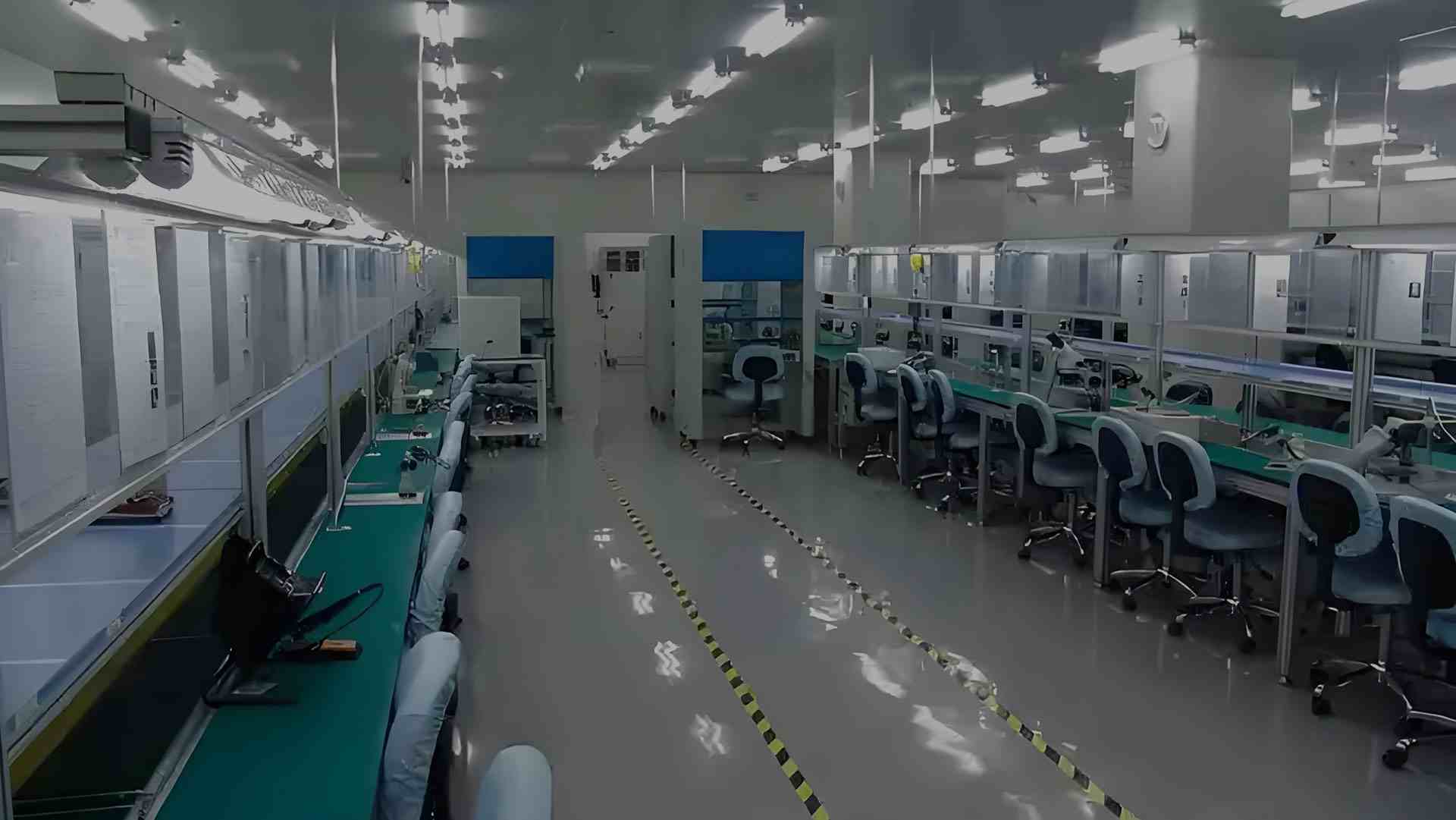
PCB(Printed circuit board)
Single machine up to 100 MW, 30% energy saving
Application Scenarios
Application Cases
Product Information Download
I Couldn't Find A Suitable Solution?
Get Free Consultation >











 None
None